Floral polymorphisms
Fire-driven diversity
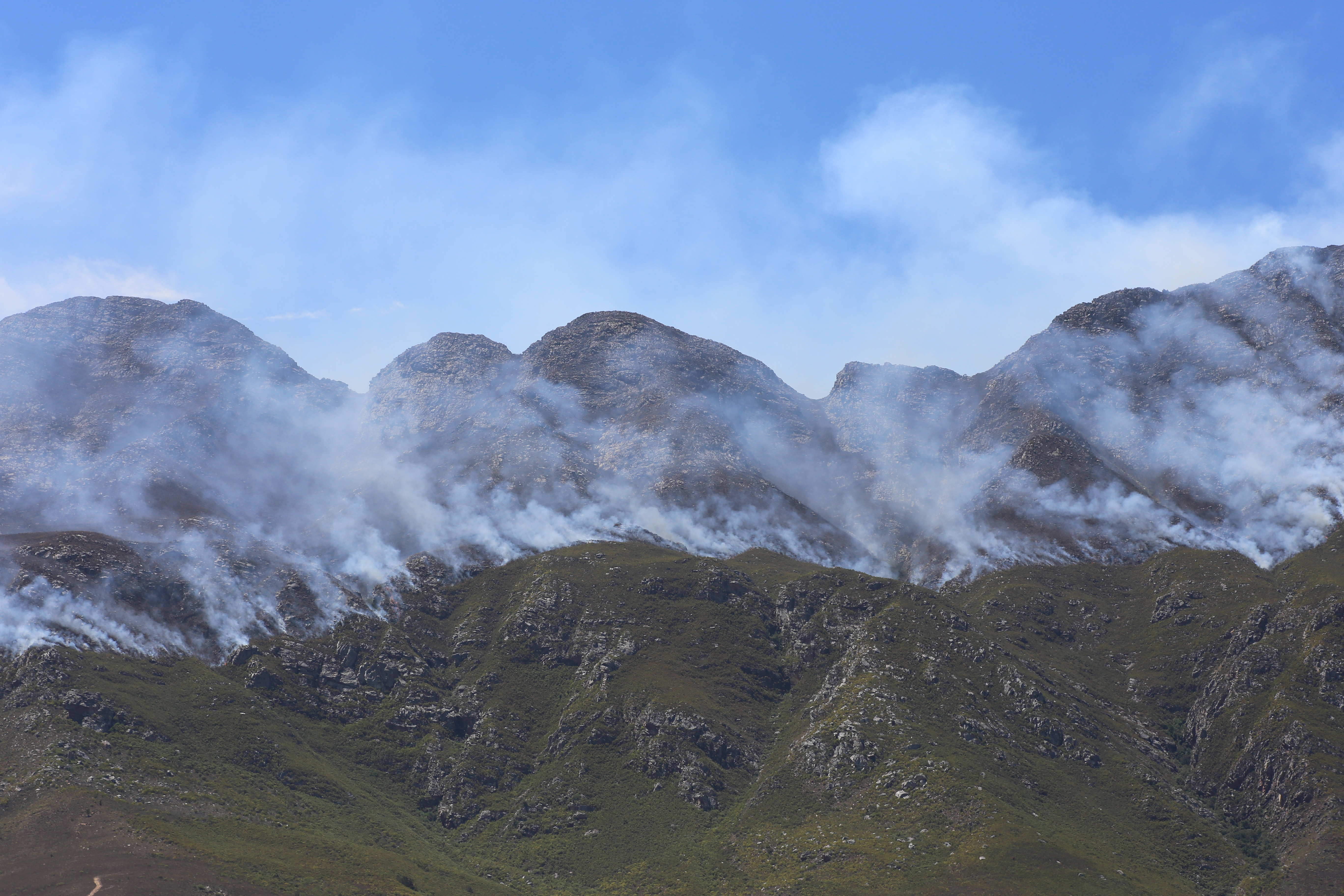
Fire is a common disturbance in the Fynbos, as in all mediterranean ecosytstems. This creates both temporal and spatial heterogeneity, which can promote diversity.
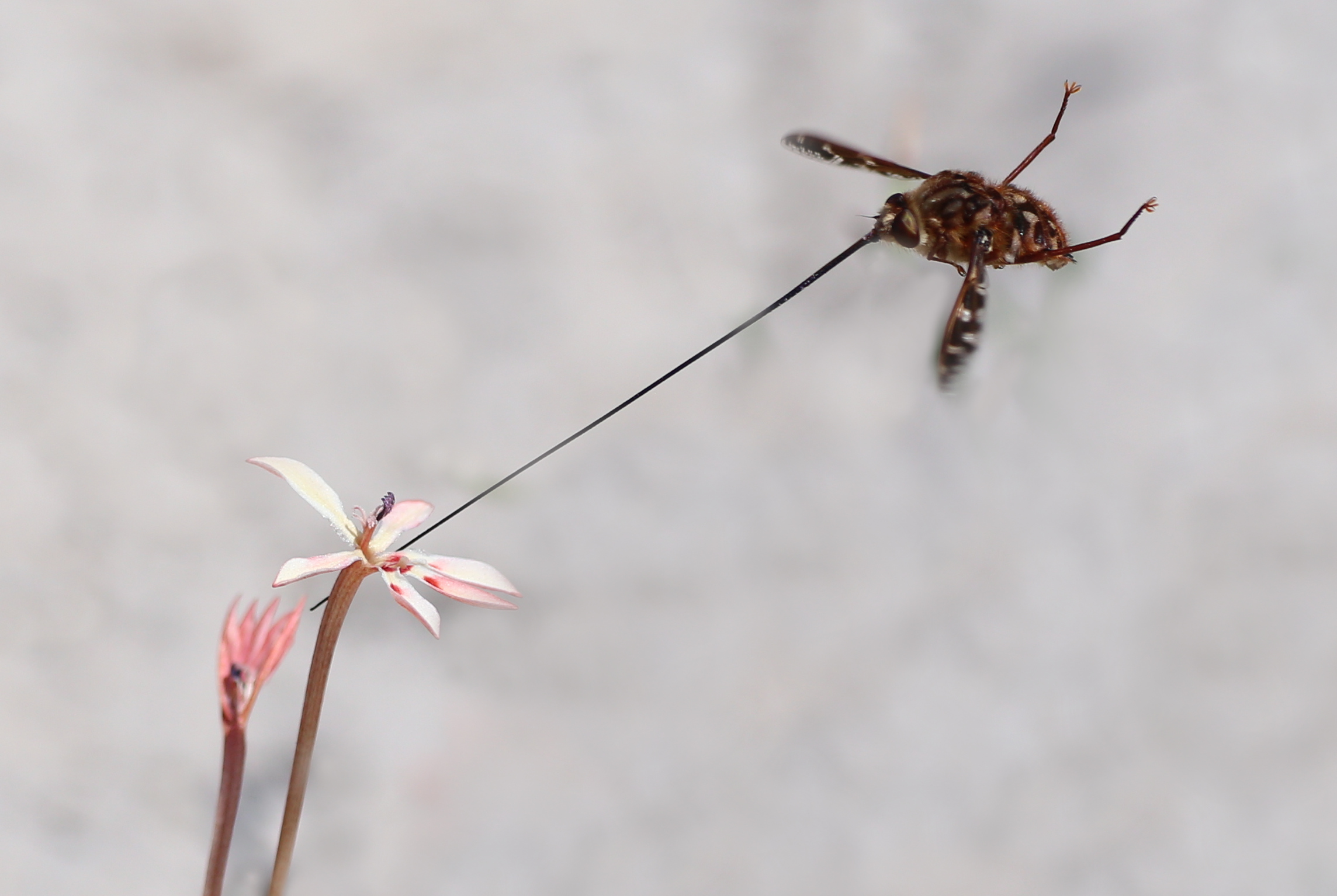
Some populations of Lapeirousia anceps are bimodal in tube length, i.e. both short- and long-tubed plants coexist. Early after a fire, their long-tongued fly pollinators visit the flowers more frequently. At the same time, long-tubed plants are more abundant and produce more seeds than short-tubed plants. However, after a few years, the flies become rare and short-tubed plants, which can self-pollinate more easily, flower more frequently and produce more seeds than long-tubed plants. Thus, selection favours the two forms during different stages of post-fire succession and thereby contributes to their co-existence.
Variation in anther morphology
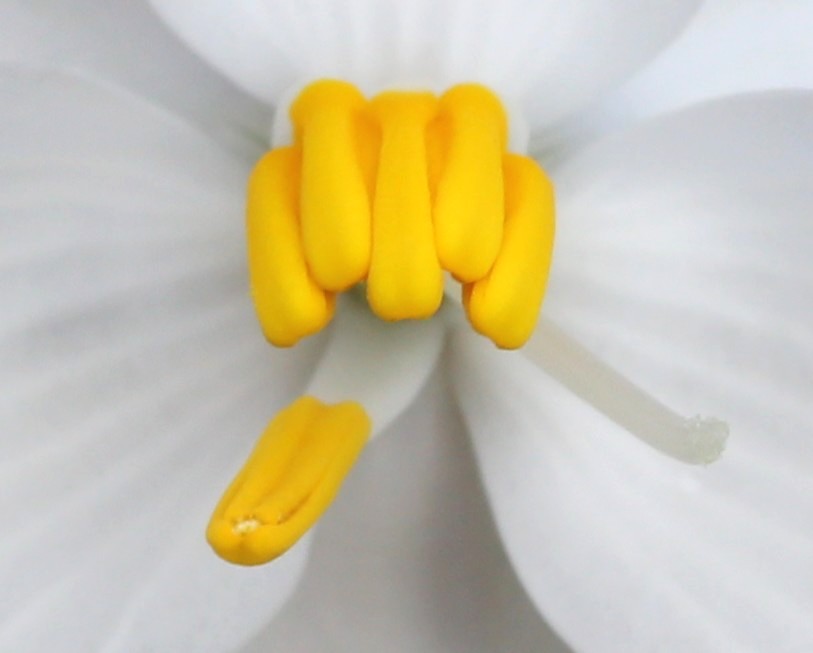
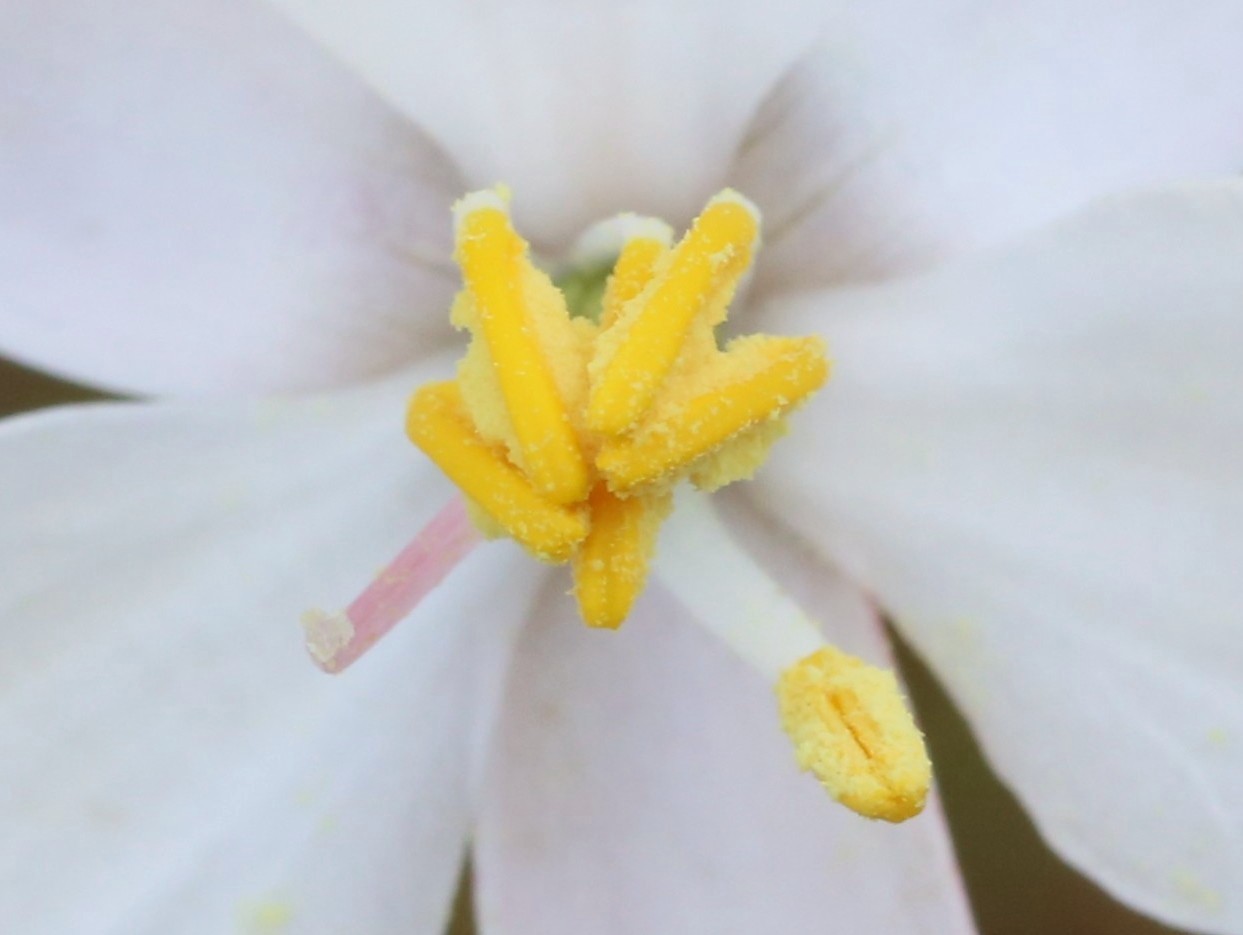
Anther structure is one of the most important determinants of pollen transfer. In Cyanella alba populations differ in anther dehiscense, with some having poricidal anthers, and others dehiscing laterally. Poricidal anthers are usually indicative of buzz-pollination, but C. alba flowers with poricidal anthers receive no visits from buzzing insects, export little pollen and produce few seeds. On the other hand, populations with laterally dehiscing anthers lose more pollen to the environment, but they can also utilize the numerous non-buzzing flower visitors as pollinators.